
Introduction
In today’s digital world, businesses and individuals rely heavily on technology to store and manage data. While technology makes work easier, it also opens the door for cyber threats, data breaches, and system vulnerabilities. That’s where a vulnerability assessment comes in. Conducting a proper Vulnerability Assessment helps identify weaknesses in your systems before hackers can exploit them. Whether you are a beginner or have some experience, understanding the right approach can make a huge difference in your cybersecurity strategy.
A vulnerability assessment is not just for IT professionals or large organizations. Even small businesses and individual users can benefit from regularly checking their networks, applications, and devices for potential security gaps. By following a structured approach, you can protect sensitive information, prevent financial losses, and maintain the trust of your clients or users. In this guide, we will walk you through essential vulnerability assessment tips, step-by-step instructions, and expert advice to ensure your systems remain secure and resilient.
What is Vulnerability Assessment?
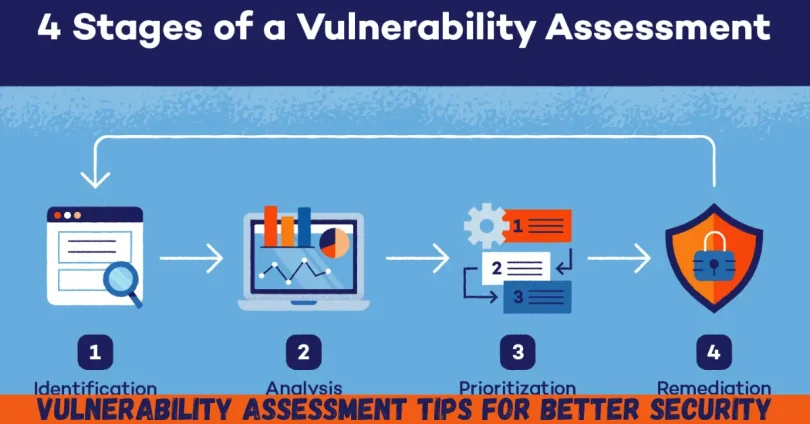
A vulnerability assessment is a systematic process of identifying, analyzing, and prioritizing security weaknesses in a system, network, or application. In simple terms, it’s like inspecting your house for broken locks, weak doors, or open windows that a thief could exploit. The goal is to proactively find these vulnerabilities before they lead to security breaches.
Vulnerability assessments can focus on multiple areas, including:
- Network security – checking routers, firewalls, and servers.
- Application security – analyzing software for coding errors or misconfigurations.
- Endpoint security – examining computers, mobile devices, and IoT devices for weaknesses.
- Physical security – assessing access points and devices in a physical environment.
By conducting a vulnerability assessment, organizations can understand their risk exposure, comply with industry standards, and prioritize security improvements based on potential impact. It is an essential part of a broader cybersecurity strategy and works hand-in-hand with penetration testing, risk management, and security monitoring.
Why is Vulnerability Assessment Important?
Understanding the importance of a vulnerability assessment helps you appreciate why it should be a regular practice. Here are the main reasons it matters:
- Proactive Risk Management
Vulnerability assessments allow you to identify security gaps before attackers do. By addressing these issues early, you reduce the likelihood of data breaches or system compromises. - Regulatory Compliance
Many industries require organizations to comply with cybersecurity standards like GDPR, HIPAA, or PCI-DSS. Regular assessments demonstrate that you take security seriously and meet legal requirements. - Cost Savings
Fixing vulnerabilities before an attack occurs is far less expensive than dealing with the aftermath of a data breach, which can include fines, reputational damage, and customer trust loss. - Improved Security Posture
Regular assessments help build stronger defenses and ensure that security measures are up to date against evolving threats. - Informed Decision-Making
By understanding where vulnerabilities exist, you can prioritize resources, allocate budgets effectively, and focus on high-risk areas first.
In short, vulnerability assessments provide clarity, control, and confidence in your organization’s security. They are not optional—they are essential for any organization that wants to stay safe in the digital age.
Detailed Step-by-Step Guide
Conducting a vulnerability assessment might seem complicated, but breaking it into steps makes it manageable. Here’s a comprehensive guide for beginners and intermediate users.
Step 1: Define the Scope
Before starting, clearly define what systems, networks, or applications you want to assess. Consider:
- The type of data being protected
- Critical systems that, if compromised, could cause major damage
- Specific applications or devices in use
Having a clear scope ensures the assessment is focused and efficient.
Step 2: Gather Information
Collect detailed information about your systems. This may include:
- Network architecture
- IP addresses and hostnames
- Operating systems and software versions
- Security controls currently in place
This step is crucial because accurate information helps identify potential vulnerabilities effectively.
Step 3: Identify Vulnerabilities
This is the core step where vulnerabilities are discovered. Common methods include:
- Automated scanning tools: Tools like Nessus, OpenVAS, or Qualys scan networks and systems for known vulnerabilities.
- Manual inspection: For more complex systems, manual checks can identify misconfigurations or overlooked weaknesses.
- Threat intelligence feeds: Keep updated with the latest vulnerabilities published by trusted cybersecurity sources.
The goal is to create a comprehensive list of potential risks.
Step 4: Analyze and Prioritize Risks
Not all vulnerabilities are equal. Analyze the potential impact and likelihood of each vulnerability being exploited. You can categorize them as:
- Critical – Immediate action required
- High – Needs attention soon
- Medium – Plan to address in the near future
- Low – Monitor for future updates
Prioritizing ensures that resources are focused on the most dangerous threats first.
Step 5: Remediate Vulnerabilities
Fixing vulnerabilities is the most important step. Remediation can include:
- Installing software patches or updates
- Reconfiguring insecure settings
- Strengthening passwords and access controls
- Implementing firewalls or antivirus solutions
Document each remediation effort to track progress and ensure nothing is missed.
Step 6: Verify and Validate
After remediation, verify that vulnerabilities have been properly addressed. This may involve:
- Running follow-up scans
- Performing penetration tests on critical areas
- Reviewing configurations and access controls
Verification ensures that your systems are secure and the assessment was effective.
Step 7: Continuous Monitoring
Security is not a one-time task. Regular monitoring helps catch new vulnerabilities before they become threats. Consider:
- Scheduled vulnerability scans
- Real-time intrusion detection systems
- Regular security audits
Continuous monitoring keeps your systems resilient against emerging threats.
Benefits of Vulnerability Assessment
Vulnerability assessments provide several advantages for organizations and individuals. Key benefits include:
- Enhanced Security: Identify and fix weaknesses before attackers exploit them.
- Regulatory Compliance: Meet industry standards and legal requirements.
- Cost Efficiency: Prevent expensive breaches and system downtime.
- Risk Awareness: Understand which areas are most vulnerable and prioritize improvements.
- Improved Reputation: Demonstrating security diligence builds trust with clients and stakeholders.
- Better Decision Making: Allocate resources to areas that need attention most.
Disadvantages / Risks
While vulnerability assessments are essential, there are some potential drawbacks if not done properly:
- False Sense of Security: Incomplete assessments can miss critical vulnerabilities.
- Resource Intensive: Scanning large networks or complex systems requires time and skilled staff.
- Disruption of Services: Aggressive scanning can sometimes affect system performance.
- Over-Reliance on Tools: Automated tools may not catch all vulnerabilities without manual checks.
- Continuous Updates Required: New vulnerabilities emerge constantly, requiring ongoing assessment.
Understanding these risks ensures you approach vulnerability assessments realistically.
Common Mistakes to Avoid
To maximize the effectiveness of a vulnerability assessment, avoid these common errors:
- Skipping Scope Definition – Not clearly defining the scope can result in missed critical areas.
- Relying Solely on Automated Tools – Tools are helpful, but manual checks are essential.
- Ignoring Remediation – Identifying vulnerabilities without fixing them defeats the purpose.
- Neglecting Updates – Failing to update software and tools leaves systems exposed.
- Not Prioritizing Risks – Treating all vulnerabilities equally wastes time and resources.
- Failing to Document – Lack of records can hinder follow-up assessments and accountability.
By avoiding these mistakes, you ensure a more thorough and effective assessment.
FAQs
1. How often should I perform a vulnerability assessment?
It depends on your organization’s size and risk level, but generally, assessments should occur at least quarterly. Critical systems may require monthly or even weekly checks.
2. What tools are best for vulnerability assessment?
Some popular tools include Nessus, OpenVAS, Qualys, and Nexpose. Combining automated tools with manual inspection provides the best results.
3. Can a vulnerability assessment prevent all cyber attacks?
No. While it reduces risk, no system is 100% secure. Vulnerability assessments help identify weaknesses but must be combined with other security measures.
4. What is the difference between vulnerability assessment and penetration testing?
A vulnerability assessment identifies weaknesses, while penetration testing actively exploits them to test system defenses. Both are complementary.
5. Are vulnerability assessments only for large organizations?
No. Small businesses and even individual users can benefit by checking networks, applications, and devices for security gaps.
6. How do I prioritize which vulnerabilities to fix first?
Use a risk-based approach considering both the likelihood of exploitation and the potential impact. Critical vulnerabilities affecting sensitive systems should be addressed immediately.
7. Is it safe to perform vulnerability scans on live systems?
Most modern tools are safe, but aggressive scanning can sometimes impact performance. Schedule scans during low-traffic hours and monitor closely.
8. Can vulnerability assessments help with regulatory compliance?
Yes. Regular assessments demonstrate that you are proactively managing risks and meeting standards like GDPR, HIPAA, and PCI-DSS.
Expert Tips & Bonus Points
- Keep Software Updated – Regularly patch systems and applications to prevent exploits.
- Segment Networks – Limit the spread of potential attacks by isolating critical systems.
- Implement Strong Access Controls – Use multi-factor authentication and role-based access.
- Monitor Continuously – Use intrusion detection systems and log monitoring to catch threats early.
- Educate Employees – Human error is often the weakest link; train staff on security best practices.
- Maintain Detailed Records – Document assessments, remediation actions, and follow-ups for accountability.
- Test Regularly – Conduct mock attacks or penetration tests to ensure defenses work effectively.
Following these tips enhances the value of your vulnerability assessment and strengthens overall security.
Conclusion
Vulnerability assessments are a cornerstone of modern cybersecurity. They allow organizations and individuals to identify weaknesses, prioritize risks, and implement effective security measures before attackers can exploit them. By following a structured approach—from defining scope to continuous monitoring—you ensure that your systems remain protected and compliant with industry standards.
Remember, the goal is not just to find vulnerabilities but to address them effectively. Regular assessments, proper documentation, and ongoing monitoring create a proactive security culture. Even if you are a beginner, adopting these practices early will save time, resources, and potential headaches in the future.