
Introduction
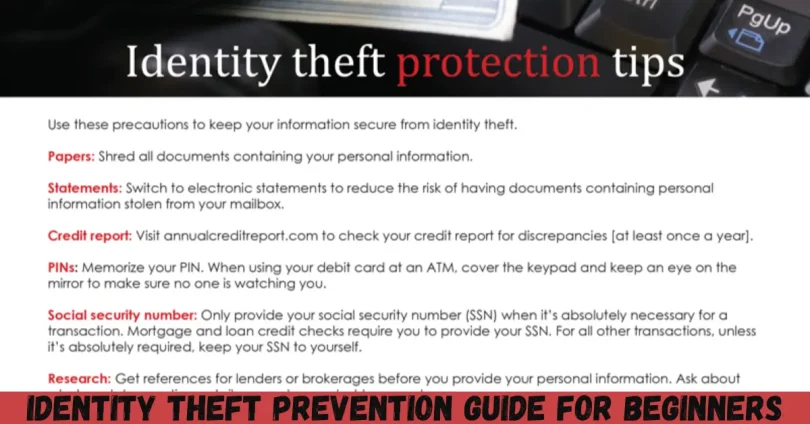
Identity Theft Prevention is no longer optional in today’s digital world. Every day, people share personal details online while shopping, banking, working, and socializing. As a result, criminals look for simple ways to steal identities and misuse them for financial gain. Identity theft prevention helps you protect your personal information before it falls into the wrong hands.
Many people believe identity theft only happens to wealthy individuals or large businesses. In reality, anyone with an email address, phone number, or bank account can become a target. From fake phone calls to hacked accounts, the methods used by criminals are becoming more advanced and harder to detect. This is why understanding identity theft prevention is so important.
What is Identity Theft Prevention?
Identity theft prevention is the process of protecting your personal and financial information from being stolen or misused. This includes details such as your name, address, phone number, bank account data, passwords, and identification numbers.
When criminals gain access to this information, they may open fake accounts, take loans, make purchases, or commit crimes in your name. Identity theft prevention focuses on stopping these actions before they happen.
It involves a combination of smart habits, security tools, and awareness. For example, using strong passwords, avoiding suspicious emails, and monitoring financial statements are all part of identity theft prevention.
In simple terms, identity theft prevention means staying alert and taking steps to keep your identity safe in both the digital and physical world.
Why is Identity Theft Prevention Important?
Identity theft prevention is important because the damage caused by identity theft can be long lasting. Victims often spend months or even years fixing financial and legal problems.
Financial loss is one of the biggest risks. Stolen identities are commonly used for credit card fraud, bank withdrawals, and online purchases. Even if money is recovered, the stress and time involved are significant.
Another reason identity theft prevention matters is emotional impact. Victims often feel violated, anxious, and helpless. Trust in digital systems may be reduced after an incident.
Identity theft can also harm your credit score. A damaged credit history can affect loan approvals, job opportunities, and housing options.
By practicing identity theft prevention, you reduce risks, protect your reputation, and maintain control over your personal life.
Detailed Step-by-Step Guide
Step 1: Protect Personal Information
Always be careful about sharing personal details. Avoid posting sensitive information on social media or public platforms.
- Do not share identification numbers openly
- Keep documents locked at home
- Shred papers before disposal
Step 2: Use Strong Passwords
Passwords are your first line of defense. Weak passwords make identity theft easy.
- Use a mix of letters and numbers
- Avoid using names or birthdays
- Change passwords regularly
Step 3: Enable Two Step Verification
Two step verification adds an extra layer of security. Even if a password is stolen, access is blocked.
- Enable it on email and banking apps
- Use trusted devices only
- Avoid sharing verification codes
Step 4: Monitor Financial Activity
Regular monitoring helps detect suspicious activity early.
- Check bank statements weekly
- Review credit card bills carefully
- Report unknown transactions immediately
Step 5: Be Alert to Scams
Scammers use emails, calls, and messages to trick people.
- Do not click unknown links
- Verify caller identity
- Ignore urgent money requests
Step 6: Secure Your Devices
Your phone and computer store valuable data.
- Install security updates
- Use antivirus software
- Lock devices with passwords
Step 7: Protect Online Shopping Habits
Online shopping is convenient but risky if not careful.
- Use secure websites
- Avoid public WiFi for payments
- Save payment details only on trusted platforms
Step 8: Check Credit Reports
Credit reports show activity linked to your identity.
- Review reports yearly
- Look for unknown accounts
- Dispute incorrect information
Benefits of Identity Theft Prevention
- Reduces financial loss
- Protects personal reputation
- Improves online safety habits
- Builds long term digital awareness
- Provides peace of mind
- Helps detect fraud early
Disadvantages / Risks
- Requires time and attention
- Some tools may cost money
- False alerts can cause stress
- Overconfidence may reduce caution
Common Mistakes to Avoid
Many people make simple mistakes that increase risk. Avoid using the same password everywhere. Do not ignore security updates or alerts. Sharing too much information online is another common error.
Trusting unknown messages or calls without verification is dangerous. Finally, assuming identity theft prevention is only needed after a problem occurs is a serious mistake.
FAQs
What is the first step in identity theft prevention?
The first step is awareness. Understanding how identity theft happens helps you recognize risks and take action early.
Can identity theft happen offline?
Yes, physical documents, stolen wallets, and mail theft are common offline methods used by criminals.
How often should passwords be changed?
Passwords should be updated every few months, especially for sensitive accounts like banking and email.
Is identity theft prevention expensive?
Basic identity theft prevention is mostly free. Good habits and awareness cost nothing. Advanced tools may require payment.
What should I do if my identity is stolen?
Immediately contact banks, change passwords, and report the issue to relevant authorities.
Are mobile phones at risk?
Yes, phones store personal data. Always lock your phone and avoid downloading unknown apps.
Expert Tips & Bonus Points
Use different passwords for important accounts. Keep software updated at all times. Avoid storing sensitive information in plain text files.
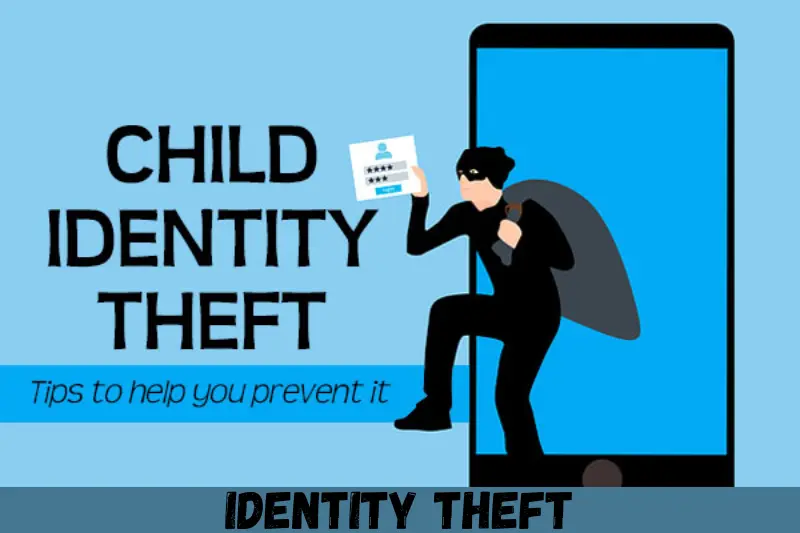
Educate family members about identity theft prevention. Children and older adults are often targeted. Small daily habits make a big difference.
Conclusion
Identity theft prevention is a critical skill in the modern digital age. As online activities continue to grow, so do the risks associated with personal data exposure. Protecting your identity is not about fear but about smart preparation and awareness.
By following the steps shared in this guide, you can reduce your chances of becoming a victim. Simple actions like using strong passwords, monitoring financial activity, and staying alert to scams make a powerful impact. Identity theft prevention is most effective when practiced consistently.