
Introduction
In today’s digital era, cyber threats are increasing rapidly. Companies, governments, and individuals face constant risks from hackers aiming to steal data, disrupt services, or breach privacy. This makes cybersecurity more crucial than ever. Ethical hacking has emerged as a vital skill to protect digital assets and ensure online safety.
Ethical hacking, also known as white-hat hacking, involves testing systems and networks for vulnerabilities legally and responsibly. Unlike malicious hackers, ethical hackers work to identify weaknesses and fix them before they can be exploited. Whether you are a beginner curious about cybersecurity or an intermediate learner wanting hands-on experience, Ethical Hacking Tutorials provide the knowledge and practical skills needed to secure systems effectively.
What is Ethical Hacking?
Ethical hacking is the practice of intentionally probing systems, networks, and applications to find security vulnerabilities. It is a legal and authorized activity conducted to strengthen digital security. Ethical hackers, also known as white-hat hackers, use the same tools and techniques as malicious hackers but with permission and a constructive purpose.
The main goal of ethical hacking is to identify weaknesses before cybercriminals can exploit them. Ethical hackers simulate attacks, perform penetration testing, and provide detailed reports to organizations so they can patch vulnerabilities.
Ethical hacking covers multiple domains, including:
- Network security testing – Examining routers, firewalls, and servers for weak points.
- Application security testing – Identifying flaws in websites, mobile apps, and software.
- Social engineering – Testing human factors such as phishing attacks or weak passwords.
- Wireless network security – Analyzing Wi-Fi networks for vulnerabilities.
In short, ethical hacking is a proactive approach to cybersecurity. It transforms potential threats into learning opportunities, ensuring that digital systems remain safe and reliable.
Why is Ethical Hacking Important?
Ethical hacking is critical for both organizations and individuals. Cyber threats are constantly evolving, and traditional security measures are no longer sufficient. Here’s why ethical hacking matters:
- Protects Sensitive Data – Businesses store sensitive customer and financial data. Ethical hacking ensures this data is secure from unauthorized access.
- Prevents Financial Loss – Cyber attacks can lead to massive financial losses. Identifying vulnerabilities early helps organizations avoid costly breaches.
- Enhances Reputation – Companies that invest in ethical hacking demonstrate commitment to cybersecurity, earning customer trust.
- Supports Legal Compliance – Many industries require regular security testing to comply with regulations such as GDPR or HIPAA.
- Promotes Learning and Skills Development – Ethical hacking tutorials equip learners with hands-on experience in cybersecurity, opening opportunities for lucrative careers.
Ultimately, ethical hacking is about staying one step ahead of malicious hackers. By identifying and fixing vulnerabilities, it protects digital systems, prevents breaches, and ensures online trust.
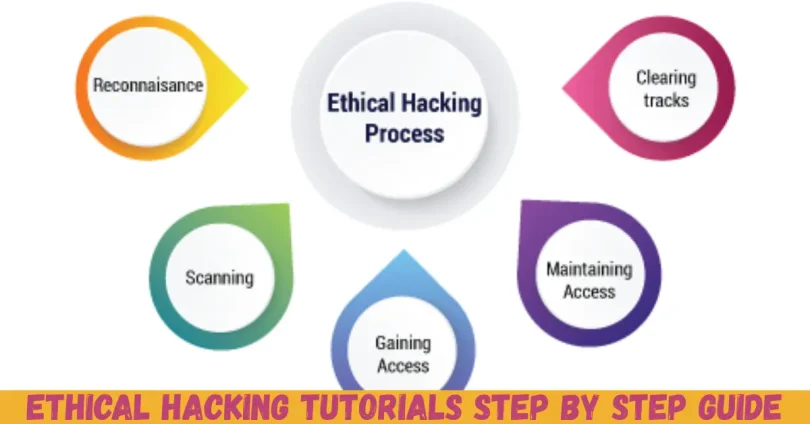
Detailed Step-by-Step Guide to Ethical Hacking
Learning ethical hacking requires structured guidance and practice. Here’s a detailed step-by-step tutorial to help beginners and intermediate learners:
Step 1: Understand the Basics of Cybersecurity
Before diving into hacking techniques, it’s essential to understand the fundamentals of cybersecurity:
- Learn about networks, servers, and protocols (HTTP, HTTPS, TCP/IP).
- Understand operating systems, especially Linux, as it is widely used in hacking.
- Familiarize yourself with basic security concepts like firewalls, VPNs, and encryption.
Step 2: Set Up a Safe Lab Environment
Ethical hacking should always be performed in a controlled environment to avoid legal issues:
- Install VirtualBox or VMware to run virtual machines.
- Use intentionally vulnerable operating systems like Metasploitable or DVWA (Damn Vulnerable Web Application).
- Set up isolated networks to practice without affecting real systems.
Step 3: Learn Networking Fundamentals
Understanding networking is crucial for ethical hacking:
- Study IP addresses, subnetting, and ports.
- Learn about network devices such as routers, switches, and firewalls.
- Practice using networking tools like Wireshark for traffic analysis.
Step 4: Master Linux Commands
Linux is the primary OS used in ethical hacking:
- Learn commands for file handling, process management, and networking.
- Explore directories, permissions, and logs.
- Understand scripting basics using Bash or Python for automation.
Step 5: Explore Reconnaissance Techniques
Reconnaissance is the first step in any hacking attempt:
- Perform passive reconnaissance: gather information from public sources.
- Perform active reconnaissance: use tools like Nmap to scan networks.
- Identify potential targets, open ports, and services running on systems.
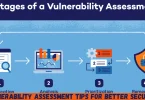
Step 6: Learn Vulnerability Assessment
Identifying weaknesses is key in ethical hacking:
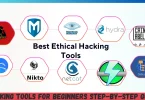
- Use tools like Nessus, OpenVAS, or Nikto to scan for vulnerabilities.
- Understand common security flaws such as SQL injection, cross-site scripting (XSS), and insecure passwords.
Step 7: Practice Exploitation Techniques
After identifying vulnerabilities, ethical hackers simulate attacks safely:
- Use Metasploit Framework to exploit test systems.
- Test password strength using brute-force tools like Hydra.
- Understand how attackers bypass firewalls and intrusion detection systems.
Step 8: Perform Post-Exploitation and Reporting
Once testing is complete, documenting findings is critical:
- Analyze the results and determine the impact of vulnerabilities.
- Create a clear report highlighting issues and remediation steps.
- Present the report to stakeholders to improve security measures.
Step 9: Learn Advanced Topics
For intermediate learners, explore advanced areas:
- Wireless network hacking – testing Wi-Fi security protocols.
- Social engineering – phishing campaigns and human factor testing.
- Cloud security – testing AWS, Azure, or Google Cloud environments.
- IoT security – securing smart devices and connected systems.
Step 10: Keep Practicing
Ethical hacking is a continuous learning process:
- Participate in CTFs (Capture The Flag) challenges.
- Join ethical hacking communities and forums.
- Stay updated with the latest cybersecurity trends and vulnerabilities.
Benefits of Ethical Hacking
Ethical hacking offers numerous benefits for both individuals and organizations:
- Improves cybersecurity awareness and skills.
- Helps prevent financial and data losses.
- Enhances career opportunities in cybersecurity.
- Builds customer trust and company reputation.
- Identifies and fixes vulnerabilities before they are exploited.
- Encourages ethical and responsible use of hacking techniques.
Disadvantages / Risks of Ethical Hacking
While ethical hacking is beneficial, it comes with certain risks:
- Legal Risks – Unauthorized testing can lead to criminal charges.
- System Damage – Improper testing may disrupt systems or data.
- Time-Consuming – Thorough testing requires patience and dedication.
- Constant Learning Required – Cyber threats evolve rapidly, demanding continuous education.
- Ethical Dilemmas – Misuse of skills can cross ethical boundaries if not careful.
Common Mistakes to Avoid
Learning ethical hacking can be challenging. Avoid these mistakes:
- Skipping Basics – Don’t rush into hacking tools without understanding networking and Linux.
- Ignoring Legal Permissions – Always practice in authorized environments.
- Overlooking Documentation – Failing to report findings properly reduces value.
- Using Default Tools Only – Learn multiple tools and techniques.
- Neglecting Updates – Cybersecurity tools and systems require regular updates.
- Focusing Only on Technical Skills – Social engineering and analytical thinking are equally important.
FAQs
1. Do I need programming knowledge for ethical hacking?
Yes, basic programming knowledge helps. Languages like Python, Bash, or JavaScript are widely used for scripting and automation in ethical hacking.
2. Can beginners learn ethical hacking online?
Absolutely. Online tutorials, labs, and courses provide structured learning. Starting with virtual labs ensures a safe environment.
3. Is ethical hacking legal?
Yes, if performed with permission and on authorized systems. Unauthorized hacking is illegal and punishable by law.
4. What tools are essential for ethical hacking?
Some popular tools include: Nmap, Wireshark, Metasploit, Nessus, Burp Suite, and Hydra. Learning multiple tools broadens your skill set.
5. How long does it take to become an ethical hacker?
It depends on your dedication. Beginners can acquire basic skills in a few months, while advanced proficiency may take 1–2 years of consistent practice.
6. Can ethical hacking lead to a career?
Yes. Ethical hackers are in high demand. Job roles include penetration tester, cybersecurity analyst, security consultant, and network security engineer.
7. Do I need a specific operating system for learning ethical hacking?
Linux is preferred, especially distributions like Kali Linux or Parrot OS. Windows can also be used, but Linux provides more tools and flexibility.
8. What are CTFs, and why are they important?
CTFs (Capture The Flag) are cybersecurity challenges that simulate real-world hacking scenarios. They help improve problem-solving, tool usage, and practical skills.
Expert Tips & Bonus Points
- Always practice in isolated environments to avoid legal issues.
- Learn scripting to automate repetitive tasks.
- Document every step carefully; clear reports are highly valued by organizations.
- Stay updated on the latest CVEs (Common Vulnerabilities and Exposures).
- Join cybersecurity communities for networking and learning opportunities.
- Experiment with bug bounty programs to gain real-world experience.
- Balance technical skills with analytical thinking and creativity.
Conclusion
Ethical hacking is more than a technical skill; it is a mindset that combines curiosity, responsibility, and creativity. By following ethical hacking tutorials, beginners and intermediate learners can gain practical knowledge, understand vulnerabilities, and contribute to a safer digital world.
While the field requires dedication and continuous learning, the benefits are immense. From protecting sensitive data to enhancing career opportunities, ethical hacking equips you to combat cyber threats proactively. By avoiding common mistakes, practicing regularly, and following expert guidance, anyone can become a competent ethical hacker.