
Introduction
In today’s digital age, cyber threats are everywhere. From small businesses to large corporations, no one is completely safe from hackers. However, not all hacking is harmful. White Hat Hacking, also known as ethical hacking, is a crucial skill that helps organizations identify vulnerabilities before malicious hackers can exploit them. Whether you are a tech enthusiast, IT student, or cybersecurity professional, understanding white hat hacking techniques is essential.
White hat hackers work within legal boundaries and focus on improving system security. They simulate attacks to find weaknesses and help developers strengthen software, networks, and applications. Learning white hat hacking techniques not only enhances your cybersecurity knowledge but also opens up career opportunities in a high-demand industry.
What is White Hat Hacking?
White hat hacking is the practice of legally testing computer systems, networks, and applications for security vulnerabilities. Ethical hackers use the same methods as malicious hackers, but their goal is to protect systems rather than exploit them.
The term “white hat” comes from old Western movies where heroes wore white hats and villains wore black hats. Similarly, white hat hackers help defend against cyber threats, while black hat hackers engage in illegal activities.
White hat hacking involves a systematic approach to identify weak points in software, hardware, and networks. These hackers often work under contracts or as part of an internal security team. They document their findings and provide recommendations to prevent cyberattacks.
Some common areas tested by white hat hackers include:
- Web applications
- Network infrastructures
- Mobile apps
- Cloud systems
- IoT (Internet of Things) devices
The primary objective is always the same: improve security and prevent unauthorized access.
Why is White Hat Hacking Important?
Cybersecurity threats are growing every day. Data breaches, ransomware attacks, and phishing scams can cause significant financial and reputational damage. Here’s why white hat hacking is crucial:
- Preventing Data Breaches: Ethical hackers detect vulnerabilities before attackers exploit them, keeping sensitive information safe.
- Enhancing System Security: Regular testing ensures that applications and networks remain secure against evolving threats.
- Compliance with Regulations: Many industries require security audits to comply with laws such as GDPR, HIPAA, or PCI DSS.
- Reducing Financial Loss: Preventing cyberattacks saves companies from costly damages.
- Building Customer Trust: Organizations that prioritize security maintain credibility and consumer confidence.
Without ethical hacking, businesses risk leaving critical gaps in their systems that could be exploited by cybercriminals. The proactive approach of white hat hackers ensures a safer online environment for both individuals and organizations.
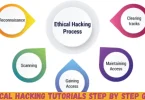
Detailed Step-by-Step Guide to White Hat Hacking Techniques
Learning white hat hacking requires understanding the right tools and methods. Here’s a structured approach to get started.
Step 1: Reconnaissance
Reconnaissance is the first stage of ethical hacking. It involves gathering information about a target system to identify potential vulnerabilities.
- Passive Reconnaissance: Collect data without directly interacting with the target.
- Example: Searching for publicly available information on social media or company websites.
- Example: Searching for publicly available information on social media or company websites.
- Active Reconnaissance: Directly interact with the system to gather details.
- Example: Using network scanning tools to map the system.
- Example: Using network scanning tools to map the system.
Key tools for reconnaissance include Nmap, Maltego, and Recon-ng.
Step 2: Scanning and Enumeration
Once you have collected basic information, scanning helps identify open ports, services, and network vulnerabilities. Enumeration is about gathering more detailed data about the system.
- Port Scanning: Detect which ports are open and which services are running.
- Vulnerability Scanning: Identify known security flaws using tools like Nessus or OpenVAS.
- Enumeration Techniques: Extract information such as usernames, groups, or shared resources.
This step helps ethical hackers understand the system’s structure and potential weak points.
Step 3: Gaining Access
Gaining access is where ethical hackers attempt to exploit vulnerabilities in a controlled environment. The goal is to demonstrate security gaps without causing harm.
- Exploitation: Using tools to test security flaws.
- Example: Exploiting outdated software versions.
- Example: Exploiting outdated software versions.
- Password Cracking: Testing password strength using safe methods like brute force or dictionary attacks.
- Social Engineering: Simulating phishing attacks to educate employees about security practices.
Always remember: access is for testing purposes only and must be reported immediately.
Step 4: Maintaining Access
This step demonstrates the potential risk if a malicious hacker gains access. Ethical hackers may simulate how intruders could maintain control of a system.
- Techniques include setting up temporary backdoors or testing privilege escalation.
- Purpose: Educate organizations about potential long-term threats.
Step 5: Covering Tracks and Reporting
Unlike black hat hackers, ethical hackers document everything instead of hiding it.
- Reporting: Provide detailed information about vulnerabilities, exploitation methods, and solutions.
- Recommendations: Suggest steps to fix weaknesses and enhance security.
Documentation ensures organizations can take corrective actions and strengthen their cybersecurity posture.
Step 6: Continuous Learning
Cybersecurity is constantly evolving. Ethical hackers must stay updated on new threats, tools, and techniques.
- Certifications: CEH (Certified Ethical Hacker), OSCP (Offensive Security Certified Professional), and CompTIA Security+.
- Community Engagement: Participate in cybersecurity forums and hacking challenges.
Continuous learning ensures ethical hackers remain effective and relevant.
Benefits of White Hat Hacking

White hat hacking offers multiple advantages for both professionals and organizations:
- Improves overall security of networks and applications
- Reduces the risk of cyberattacks and data breaches
- Ensures compliance with legal and industry standards
- Builds trust and credibility among clients and stakeholders
- Provides career opportunities in a high-demand field
- Enhances technical skills and problem-solving abilities
By adopting white hat techniques, organizations and individuals gain proactive defense capabilities that far outweigh reactive measures.
Disadvantages / Risks
Even though white hat hacking is ethical, it carries some risks:
- Possibility of accidentally causing system disruption
- Legal issues if authorization is unclear or incomplete
- Misinterpretation of findings leading to unnecessary panic
- High learning curve for beginners
- Stress and responsibility of handling sensitive data
Ethical hackers must always follow a strict code of conduct and maintain proper permissions to avoid these risks.
Common Mistakes to Avoid
Beginners often make mistakes that can compromise ethical hacking efforts:
- Skipping Permissions: Never attempt hacking without explicit consent.
- Ignoring Documentation: Failing to record findings reduces the value of testing.
- Overlooking Updates: Not keeping tools and systems updated can lead to inaccurate results.
- Weak Reporting Skills: Poor communication of findings may cause confusion.
- Focusing Only on Tools: Understanding concepts is more important than relying solely on software.
- Neglecting Social Engineering Risks: Many vulnerabilities involve human behavior, not just technical flaws.
Avoiding these mistakes ensures effective and safe ethical hacking practices.
FAQs About White Hat Hacking Techniques
1. Is white hat hacking legal?
Yes, white hat hacking is legal when performed with proper authorization. Ethical hackers always work within legal boundaries to help organizations improve security.
2. What skills are needed to become a white hat hacker?
Important skills include networking, programming (Python, C++, Java), knowledge of operating systems, cybersecurity concepts, and problem-solving abilities.
3. How long does it take to learn white hat hacking?
It varies. Beginners can gain basic knowledge in a few months, while mastery may take several years, especially if pursuing certifications like CEH or OSCP.
4. What are the best tools for white hat hacking?
Popular tools include Nmap, Metasploit, Wireshark, Burp Suite, and Nessus. These tools help with scanning, exploitation, and vulnerability assessment.
5. Can beginners start with white hat hacking?
Absolutely. Beginners should start with online tutorials, labs, and ethical hacking courses. Simulated environments like Hack The Box or TryHackMe provide safe practice opportunities.
6. What is the difference between white hat and black hat hackers?
White hat hackers test systems legally to improve security. Black hat hackers exploit vulnerabilities illegally for personal gain or malicious intent.
7. Are there career opportunities in white hat hacking?
Yes, ethical hackers are in high demand across sectors. Job roles include penetration tester, cybersecurity analyst, security consultant, and network security engineer.
8. Can white hat hackers hack social media accounts?
Only if they have explicit authorization. Unauthorized access, even for testing, is illegal. Ethical hacking always requires permission.
9. How do ethical hackers report vulnerabilities?
They create detailed reports describing the vulnerability, how it was tested, potential impact, and recommended solutions. Clear communication is essential.
10. Do white hat hackers need certifications?
Certifications are not mandatory but highly recommended. CEH, OSCP, and CompTIA Security+ validate skills and increase career opportunities.
Expert Tips & Bonus Points
- Stay Updated: Follow cybersecurity news and trends. Threats evolve daily.
- Practice in Safe Environments: Use labs, virtual machines, and simulators to test skills safely.
- Understand the Law: Always ensure you have written permission before testing any system.
- Document Everything: Clear, detailed reports are critical for clients and employers.
- Focus on Problem-Solving: Tools are only effective when paired with logical thinking and creativity.
- Network with Experts: Join cybersecurity communities, forums, and webinars.
- Use Multi-Layered Testing: Combine technical testing with social engineering for comprehensive security assessments.
- Certifications Add Credibility: CEH, OSCP, and other courses demonstrate expertise and professionalism.
- Never Stop Learning: The cybersecurity field is dynamic; continuous learning is key.
Conclusion
White hat hacking techniques are essential for protecting digital systems in today’s world. By ethically testing networks, applications, and software, ethical hackers help organizations prevent data breaches and cyberattacks. Whether you are a beginner or an intermediate learner, understanding these techniques provides a strong foundation for a rewarding career in cybersecurity.
Learning white hat hacking is not just about tools; it’s about mindset, responsibility, and problem-solving. Ethical hackers must act with integrity, respect privacy, and always work within legal boundaries. By following structured steps—from reconnaissance to reporting—you can become proficient in identifying vulnerabilities and recommending effective security solutions.