
Introduction
In today’s digital world, online privacy is no longer optional. Every time you browse a website, use social media, or connect to public Wi-Fi, your data can be tracked, stored, or even misused. This is where VPN and Privacy Tools become essential. They help protect your personal information, hide your online activities, and give you more control over your digital life.
Many beginners think privacy tools are only for tech experts. However, that is not true. Modern VPN and Privacy Tools are designed for everyday users who want simple and effective protection. Whether you are shopping online, working remotely, or watching content from different regions, these tools help you stay safe.
What is VPN and Privacy Tools?
VPN and Privacy Tools are software and services designed to protect your online identity and data. A VPN, or Virtual Private Network, creates a secure connection between your device and the internet. It hides your real IP address and encrypts your data.
Privacy tools go beyond VPNs. They include browser extensions, secure browsers, password managers, tracker blockers, and encrypted messaging apps. Together, VPN and Privacy Tools work to reduce tracking, prevent data leaks, and improve online security.
When you use VPN and Privacy Tools, your internet traffic becomes harder to monitor. This means websites, advertisers, and hackers cannot easily see what you are doing online. These tools are useful on computers, smartphones, and even smart devices.
In simple terms, VPN and Privacy Tools act like a protective shield for your digital activities.
Why is VPN and Privacy Tools Important?
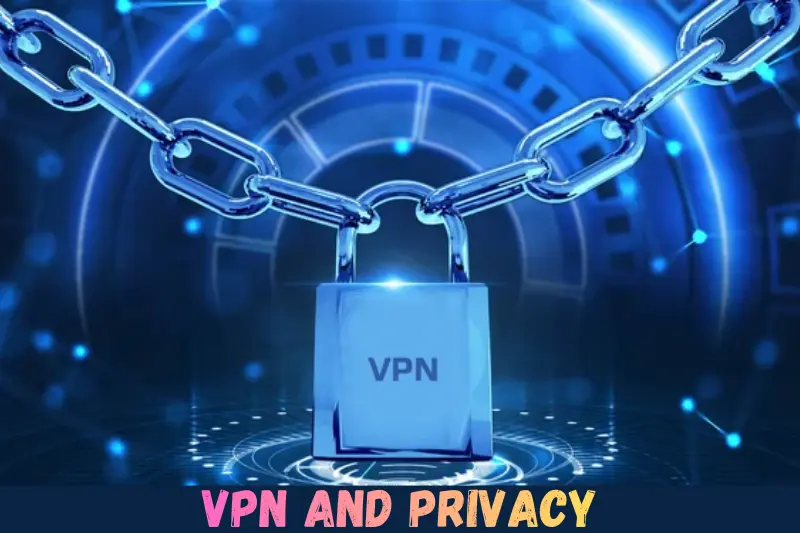
VPN and Privacy Tools are important because online risks are increasing every day. Data breaches, identity theft, and online surveillance are common problems.
Here are key reasons why VPN and Privacy Tools matter:
- They protect your personal data from hackers
- They keep your browsing history private
- They secure public Wi-Fi connections
- They help avoid unwanted tracking
- They give freedom to access content safely
Without VPN and Privacy Tools, your online activity can be logged and sold. Even trusted networks can be unsafe. Using these tools is a smart step toward digital safety and peace of mind.
Detailed Step-by-Step Guide
Step 1: Identify Your Privacy Needs
Before choosing VPN and Privacy Tools, understand your goals. Some users want basic privacy, while others need advanced security.
Ask yourself:
- Do I use public Wi-Fi often?
- Do I want to hide my IP address?
- Do I need protection on multiple devices?
Clear goals help you choose the right tools.
Step 2: Choose a Reliable VPN Service
Select a VPN that offers strong encryption and a no-logs policy. Make sure it supports your devices and has easy setup options.
Important features to check:
- Fast connection speed
- Multiple server locations
- User-friendly interface
Step 3: Install and Set Up the VPN
Download the VPN app from the official source. Install it and sign in using your account details.
After installation:
- Open the app
- Choose a server location
- Click connect
Your connection is now secure.
Step 4: Add Essential Privacy Tools
VPN and Privacy Tools work best together. Add tools like:
- Secure browsers for private surfing
- Tracker blockers to stop ads
- Password managers for strong passwords
These tools improve overall privacy.
Step 5: Adjust Privacy Settings
Most tools allow customization. Enable features like automatic connection, kill switch, and tracker blocking.
Regularly review settings to ensure maximum protection.
Step 6: Practice Safe Browsing Habits
Even with VPN and Privacy Tools, user behavior matters. Avoid suspicious links and use strong passwords.
Good habits increase the effectiveness of your tools.
Benefits of VPN and Privacy Tools
- Improved online privacy
- Protection on public Wi-Fi
- Encrypted internet traffic
- Reduced online tracking
- Better control over personal data
- Safer remote work and browsing
VPN and Privacy Tools help users feel secure and confident online.
Disadvantages / Risks
- Some VPNs may slow internet speed
- Free tools may have limitations
- Poor-quality services can log data
- Misconfiguration can reduce protection
Choosing trusted VPN and Privacy Tools reduces these risks.
Common Mistakes to Avoid
Many users make simple mistakes that weaken privacy protection.
Avoid these errors:
- Using free VPNs without research
- Ignoring privacy policies
- Forgetting to update software
- Relying only on a VPN without other tools
Understanding VPN and Privacy Tools helps avoid these problems.
FAQs
What is the main purpose of VPN and Privacy Tools?
The main purpose of VPN and Privacy Tools is to protect user data, hide online identity, and prevent tracking.
Are VPN and Privacy Tools legal?
In most countries, VPN and Privacy Tools are legal. Users should still follow local laws and regulations.
Can beginners use VPN and Privacy Tools easily?
Yes, modern VPN and Privacy Tools are user-friendly and designed for beginners.
Do VPN and Privacy Tools work on mobile devices?
Most VPN and Privacy Tools support smartphones and tablets.
Are free VPN and Privacy Tools safe?
Some are safe, but many free tools have limits or privacy risks. Paid options are usually more reliable.
Do VPN and Privacy Tools guarantee complete anonymity?
They greatly improve privacy but do not guarantee complete anonymity. Safe browsing habits are still important.
Expert Tips & Bonus Points
- Always read privacy policies carefully
- Combine multiple VPN and Privacy Tools
- Use automatic connection on public Wi-Fi
- Keep software updated
- Test your setup regularly
Experts recommend layering tools for better security.
Conclusion
Online privacy is becoming more important with each passing year. Cyber threats, tracking technologies, and data misuse are growing fast. This is why VPN and Privacy Tools are no longer optional but necessary for anyone who uses the internet regularly.
By using VPN and Privacy Tools, you take control of your digital footprint. You protect personal information, secure your connections, and reduce unwanted tracking. These tools are not just for professionals. Beginners and intermediate users can easily use them with minimal effort.