
Introduction
In today’s digital world, we rely heavily on the internet for shopping, banking, social networking, and communication. While the web brings convenience, it also exposes us to countless online threats. One of the most common and damaging risks is online scams. These scams are designed to steal your personal information, money, or both. They come in many forms, from phishing emails to fake online stores, and even fraudulent job offers. Understanding how to identify and prevent these scams is critical for anyone using the internet.
Online Scams Prevention is not just a matter of personal safety; it is a crucial step in protecting your financial and digital well-being. Many beginners assume that scams only target people who are not tech-savvy, but in reality, scammers are becoming increasingly sophisticated. They often create highly convincing websites, emails, or messages that can trick even experienced users. That is why proactive measures are essential.
What is Online Scams Prevention?
Online scams prevention refers to the actions, strategies, and habits that individuals take to protect themselves from fraudulent activities on the internet. These activities aim to detect, avoid, and respond to deceptive schemes before they cause harm. Online scams can include phishing emails, fake websites, identity theft, investment fraud, romance scams, and more.
Prevention involves more than just being cautious. It requires understanding how scammers operate, recognizing warning signs, and using tools like antivirus software, secure passwords, and multi-factor authentication. Essentially, online scams prevention is about staying informed and proactive.
For example, when you receive an email claiming you won a lottery, online scams prevention means knowing this is likely a scam, avoiding clicking any links, and reporting it. Similarly, when shopping online, prevention includes checking website reviews, verifying payment methods, and avoiding deals that seem too good to be true.
The primary goal of online scams prevention is to reduce your exposure to threats and minimize the impact if a scam occurs. It’s a combination of awareness, knowledge, and practical actions.
Why is Online Scams Prevention Important?
Online scams are becoming increasingly sophisticated and widespread. According to cybersecurity reports, millions of people fall victim to online fraud every year, resulting in significant financial losses. Here’s why preventing online scams is crucial:
- Protects Your Personal Information: Scammers often steal sensitive data such as bank account details, passwords, and social security numbers. Preventing scams helps keep your information safe.
- Saves Money: Online scams can lead to financial losses, including unauthorized transactions or investments in fake schemes.
- Maintains Digital Reputation: Falling victim to a scam can compromise your email, social media accounts, or business profiles, impacting your reputation.
- Reduces Stress: Dealing with a scam can be mentally and emotionally exhausting. Prevention reduces this unnecessary stress.
- Supports Safe Online Communities: By preventing scams, you also help others stay safe, creating a more secure online environment.
Overall, online scams prevention is not just a personal choice; it is a necessary practice in the modern digital world. Awareness and preventive measures protect you from immediate harm and long-term consequences.
Detailed Step-by-Step Guide to Online Scams Prevention
Preventing online scams requires a combination of knowledge, tools, and habits. Below is a comprehensive, step-by-step guide to help you stay safe online.
Step 1: Recognize Common Types of Online Scams
- Phishing Emails: Fraudulent messages pretending to be from banks, social media, or other trusted sources asking for personal information.
- Fake Online Stores: Websites offering goods at extremely low prices to steal money or personal data.
- Tech Support Scams: Scammers pretending to be IT support, claiming your computer is infected.
- Romance Scams: Scammers creating fake profiles on dating sites to build trust and steal money.
- Investment Fraud: Fake investment opportunities promising high returns with low risk.
- Lottery or Prize Scams: Notifications claiming you won money or prizes requiring personal info or fees.
Step 2: Strengthen Your Online Security
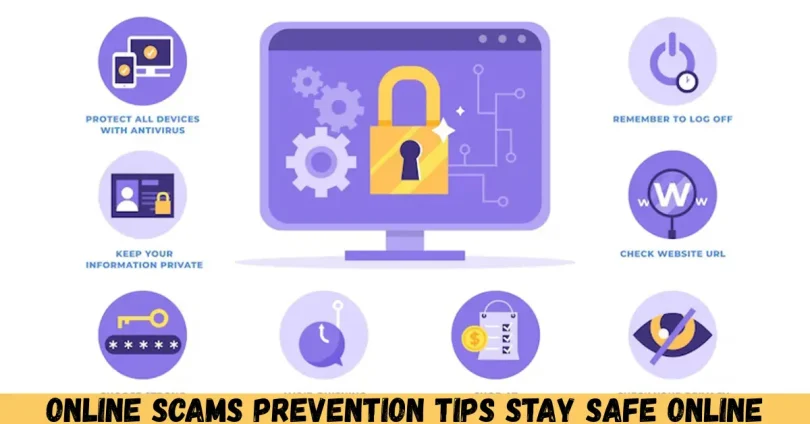
- Use strong, unique passwords for all accounts.
- Enable two-factor authentication (2FA) wherever possible.
- Keep your devices updated with the latest security patches.
- Install reputable antivirus and anti-malware software.
Step 3: Verify Before You Trust
- Check email sender addresses carefully; scammers often use slightly altered domains.
- Research online stores before making purchases; read reviews and check domain registration info.
- Confirm any unsolicited calls or messages by contacting the company directly.
- Avoid downloading attachments or clicking on links from unknown sources.
Step 4: Protect Personal Information
- Never share sensitive information like Social Security numbers, bank details, or passwords online unless absolutely necessary.
- Use secure, encrypted connections (look for HTTPS in website URLs).
- Limit the personal information you post on social media; scammers can use it to create convincing scams.
Step 5: Educate Yourself Continuously
- Stay informed about the latest scams through trusted news sources.
- Learn about emerging threats, like deepfake scams or AI-generated fraud messages.
- Teach family members or colleagues about scams to create a culture of awareness.
Step 6: Monitor Your Accounts Regularly
- Check bank statements and credit reports frequently.
- Look for unusual transactions, login attempts, or account activity.
- Report suspicious activity immediately to relevant authorities.
Step 7: Report Scams
- Report phishing emails to your email provider.
- Contact local authorities or consumer protection agencies if you experience fraud.
- Inform the platform where the scam occurred, like social media or online marketplaces.
By following these steps, you create multiple layers of protection, making it much harder for scammers to succeed.
Benefits of Online Scams Prevention
- Protects financial and personal information
- Reduces risk of identity theft
- Builds confidence in online transactions
- Saves money by avoiding fraud
- Promotes safe and trustworthy online communities
- Encourages proactive digital habits
- Reduces stress and anxiety related to online security
Disadvantages / Risks if Ignored
- Financial loss due to theft or fraudulent transactions
- Personal data exposure leading to identity theft
- Compromised social media and email accounts
- Emotional distress and anxiety
- Damage to professional or personal reputation
- Difficulty recovering accounts or money lost to scammers
- Risk of unintentionally spreading malware to others
Common Mistakes to Avoid
- Using Weak Passwords: Avoid simple passwords like “123456” or “password.”
- Ignoring Software Updates: Outdated software can be exploited by scammers.
- Clicking Unknown Links: Never click links in suspicious emails or messages.
- Oversharing Online: Posting too much personal info on social media can make you a target.
- Trusting Every Online Offer: If it sounds too good to be true, it probably is.
- Neglecting 2FA: Two-factor authentication adds an extra layer of protection; not using it increases risk.
- Failing to Monitor Accounts: Not checking statements can allow scammers to act unnoticed.
FAQs
1. What is the most common type of online scam?
Phishing emails are currently the most widespread. They appear as messages from banks, social media platforms, or online stores asking for personal information.
2. How can I recognize a scam email?
Look for misspellings, urgent requests, unfamiliar senders, or links that don’t match the official website domain.
3. Are online payment methods safe?
Most legitimate payment platforms are secure, but always verify websites, use secure connections, and avoid sharing payment info on unfamiliar sites.
4. Can antivirus software prevent all scams?
No. Antivirus software helps block malware and some threats, but it cannot prevent social engineering or phishing scams. Awareness and caution are essential.
5. What should I do if I fall victim to a scam?
Immediately report the incident to your bank, local authorities, and the platform involved. Change passwords and monitor accounts for suspicious activity.
6. Is it safe to shop on new online stores?
Only if you research the store, check reviews, verify contact information, and ensure secure payment methods. Avoid deals that seem unrealistic.
7. How can I protect my family from online scams?
Educate them about scams, encourage safe online habits, use parental controls for children, and monitor account activity when needed.
8. Do scammers target all age groups?
Yes, everyone is a potential target. Older adults may be targeted more for financial scams, while younger users might face social media scams.
Expert Tips & Bonus Points
- Use a Password Manager: Safely store strong, unique passwords for all accounts.
- Check Website SSL Certificates: Ensure the site uses HTTPS before entering personal information.
- Regularly Update Software: Keep devices, apps, and operating systems up-to-date.
- Use Virtual Private Networks (VPNs): Secure your internet connection, especially on public Wi-Fi.
- Enable Alerts: Set up alerts for bank or credit card activity.
- Trust Your Instincts: If something feels off, don’t proceed. Verify before acting.
- Limit Cookies and Trackers: Use browser settings to reduce data collection and prevent targeted scams.
- Educate Continuously: The online threat landscape evolves, so stay informed about new scams and preventive measures.
Conclusion
Online scams are a growing threat in today’s digital world, targeting everyone from beginners to tech-savvy users. The key to protection is awareness, vigilance, and adopting proactive measures. By understanding what online scams are, recognizing common tactics, and following a detailed prevention strategy, you can safeguard your personal information, financial assets, and digital reputation.
Online scams prevention is not a one-time effort—it’s an ongoing habit. Simple steps like using strong passwords, verifying websites, enabling two-factor authentication, and monitoring accounts can significantly reduce your risk. Additionally, educating yourself and others creates a safer digital environment for everyone.