
Introduction
Social Media Security Tips are essential in today’s digital world, where social platforms are part of daily life. People use social media to communicate, share updates, promote businesses, and stay informed. However, with convenience also comes risk. Hackers, scammers, and data thieves are always looking for easy targets. Without proper awareness, even a simple post or click can lead to serious problems.
Many users believe security issues only affect big companies or celebrities. In reality, beginners and regular users are often the main targets. Weak passwords, fake links, and careless sharing make accounts vulnerable. This is why learning Social Media Security Tips is no longer optional. It is a basic digital skill everyone should have.
What is Social Media Security Tips?
Social Media Security Tips refer to practical actions and best practices used to protect social media accounts from threats. These tips focus on keeping personal information, conversations, and digital identity safe. They help users avoid hacking, scams, impersonation, and data misuse.
Social media security covers passwords, privacy settings, login methods, and user behavior. It also includes understanding how attackers trick users into sharing information. When people follow proper security steps, they reduce the chances of unauthorized access.
These tips apply to all platforms, including Facebook, Instagram, X, LinkedIn, and others. Each platform has its own features, but the basic security principles remain the same. Learning them once helps you everywhere.
In simple terms, social media security is about control. It ensures you decide who sees your content, who contacts you, and how your data is used. With the right knowledge, users can stay active online without putting themselves at risk.
Why is Social Media Security Tips Important?
Social Media Security Tips are important because social platforms store a lot of personal data. This includes photos, messages, contacts, and sometimes payment information. If this data falls into the wrong hands, it can be misused.
Hackers often use stolen accounts for scams, fake promotions, or spreading malware. Victims may lose trust, money, or even their online reputation. Recovery can be stressful and time-consuming.
Security is also important for privacy. Many users share daily routines, locations, and opinions. Without protection, this information can be tracked or exploited. Strong security habits reduce unwanted attention and misuse.
For businesses and creators, security protects brands and audiences. A hacked account can damage credibility instantly. Therefore, understanding and applying security tips helps everyone use social media safely and responsibly.
Detailed Step-by-Step Guide
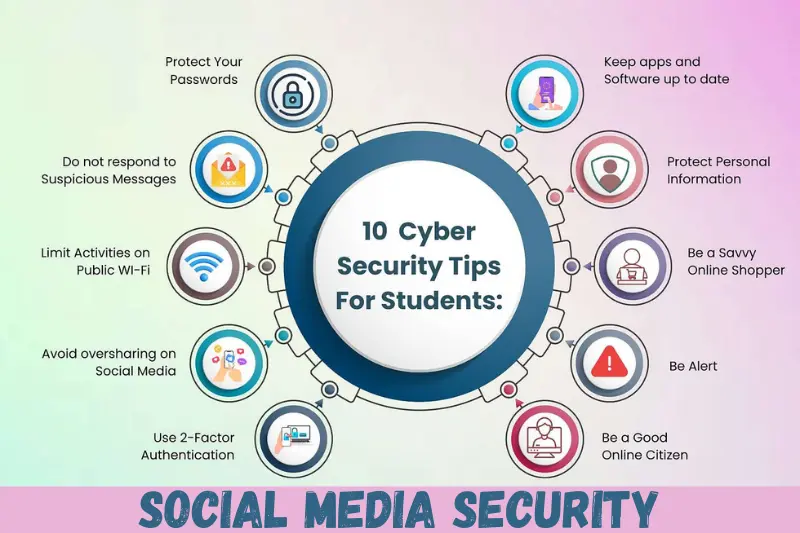
Step 1: Create Strong and Unique Passwords
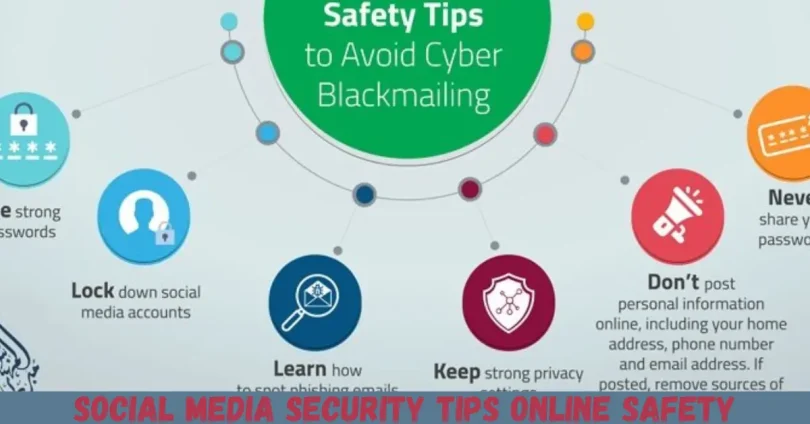
Use long passwords with letters, numbers, and symbols. Avoid using names or birthdays. Each platform should have a different password. This prevents multiple accounts from being compromised at once.
Step 2: Enable Two-Factor Authentication
Two-factor authentication adds an extra layer of security. Even if someone gets your password, they cannot log in without the second verification code.
Step 3: Adjust Privacy Settings Carefully
Review privacy settings on each platform. Limit who can see your posts, send messages, or find your profile. This reduces exposure to strangers.
Step 4: Be Careful with Links and Messages
Do not click suspicious links, even if they appear to come from friends. Attackers often use fake messages to steal login details.
Step 5: Review Connected Apps Regularly
Remove apps and websites you no longer use. Some third-party apps can access your data without you realizing it.
Step 6: Keep Devices Secure
Update your phone and computer regularly. Use screen locks and antivirus tools. A secure device supports secure social media use.
Step 7: Monitor Account Activity
Check login alerts and activity logs. If you notice unknown devices or locations, act immediately and change passwords.
Step 8: Think Before You Share
Avoid sharing sensitive information publicly. Details like location, phone numbers, or travel plans can be misused.
Benefits of Social Media Security Tips
- Protects personal and private information
- Reduces risk of hacking and scams
- Builds confidence while using platforms
- Helps maintain online reputation
- Prevents identity theft
- Improves overall digital awareness
Disadvantages / Risks
- Requires time to manage settings
- Can feel complex for beginners
- Extra steps may slow login
- Overconfidence can reduce caution
- Ignoring updates may create gaps
Common Mistakes to Avoid
Many users reuse the same password everywhere. This is risky and should be avoided. Another mistake is trusting every message or link without verification. Attackers rely on urgency and curiosity.
Ignoring privacy settings is also common. Default settings are not always safe. Users should review them regularly. Sharing too much personal information publicly creates unnecessary risk.
Finally, delaying action after suspicious activity can make things worse. Quick response is critical for minimizing damage.
FAQs
What is the biggest social media security risk?
The biggest risk is weak passwords combined with phishing attacks. These allow hackers easy access to accounts.
How often should I change my passwords?
Change passwords every few months or immediately after any security concern.
Is two-factor authentication really necessary?
Yes, it significantly reduces unauthorized access and is highly recommended.
Can private accounts still get hacked?
Yes, but proper settings and habits greatly lower the risk.
Are public Wi-Fi networks safe for social media?
Public Wi-Fi can be risky. Avoid logging in or use secure connections.
What should I do if my account is hacked?
Change passwords, enable security features, and report the issue to the platform immediately.
Expert Tips & Bonus Points
Regularly review security updates from platforms. Educate yourself about new scam methods. Use password managers for better control. Log out from shared devices. Stay informed and cautious without being fearful.
Security is not a one-time action. It is a habit that improves with awareness and practice. Small steps taken consistently make a big difference.
Conclusion
Social Media Security Tips play a vital role in safe online interaction. As social platforms continue to grow, so do the risks associated with them. Users who understand basic security principles are better prepared to face these challenges.
Security does not require advanced technical skills. Simple actions like strong passwords, privacy checks, and cautious behavior can prevent most problems. These habits protect not only accounts but also personal peace of mind.