
Introduction
Internet Safety Awareness is no longer optional in today’s digital world. Almost everything we do, from learning and working to shopping and socializing, happens online. Because of this, understanding how to stay safe on the internet has become a basic life skill. Many people use the internet daily but do not fully understand the risks that come with it. As a result, they unknowingly put their personal information, money, and privacy in danger.
Internet Safety Awareness helps people recognize online threats and learn how to avoid them. It is not only for experts or IT professionals. Beginners and intermediate users can also learn simple habits that make a big difference. For example, knowing how to create strong passwords or identify fake emails can prevent serious problems. Even small actions, when done correctly, can protect you from online scams and cybercrime.
What is Internet Safety Awareness?
Internet Safety Awareness means understanding the risks of using the internet and knowing how to protect yourself from them. It involves learning safe online behaviors and recognizing potential threats before they cause harm. These threats can include scams, viruses, identity theft, and data misuse.
At its core, Internet Safety Awareness focuses on protecting personal information. This includes your name, address, passwords, bank details, and private messages. When users are aware, they think twice before sharing information online. They also know how to adjust privacy settings and use security tools properly.
Another important part of Internet Safety Awareness is digital responsibility. This means respecting others online and understanding that actions on the internet can have real-life consequences. Awareness helps users avoid unsafe websites, suspicious downloads, and harmful interactions.
In simple words, Internet Safety Awareness is about using the internet wisely, carefully, and responsibly. It allows people to enjoy online services while reducing the chances of becoming a victim of cyber threats.
Why is Internet Safety Awareness Important?
Internet Safety Awareness is important because online threats are increasing every year. Hackers and scammers are becoming smarter, and they often target users who lack basic knowledge. Without awareness, even a simple click can lead to serious problems.
One major reason Internet Safety Awareness matters is financial protection. Online fraud, fake shopping sites, and phishing scams can cause people to lose money quickly. Awareness helps users identify warning signs and avoid risky actions.
Another reason is privacy protection. Many apps and websites collect user data. If users are not careful, their personal information can be misused. Internet Safety Awareness teaches people how to manage privacy settings and limit data sharing.
In addition, awareness helps protect mental and emotional well-being. Cyberbullying, online harassment, and harmful content can negatively affect users. Knowing how to block, report, and avoid such issues creates a safer online experience.
Overall, Internet Safety Awareness empowers users. It gives them control, confidence, and peace of mind while using digital platforms.
Detailed Step-by-Step Guide
Step 1: Create Strong and Unique Passwords
Strong passwords are the first line of defense. A good password should be long and include letters, numbers, and symbols.
- Avoid using your name or birthdate
- Use different passwords for different accounts
- Change passwords regularly
For example, instead of using “password123,” use a unique combination that is hard to guess.
Step 2: Enable Two-Factor Authentication
Two-factor authentication adds an extra layer of security. Even if someone gets your password, they cannot access your account without a second verification step.
- Use mobile codes or authentication apps
- Enable it on email, social media, and banking apps
This simple step greatly improves Internet Safety Awareness.
Step 3: Recognize Phishing Attempts
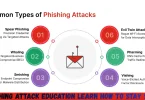
Phishing is when scammers try to trick you into sharing personal information. These messages often look real but contain warning signs.
- Check the sender’s email address
- Look for spelling and grammar mistakes
- Avoid clicking suspicious links
Being alert helps prevent identity theft.
Step 4: Use Secure Internet Connections
Public Wi-Fi networks are risky. Hackers can intercept data on unsecured connections.
- Avoid accessing sensitive accounts on public Wi-Fi
- Use a trusted network whenever possible
- Consider using security tools for protection
Safe connections support better Internet Safety Awareness.
Step 5: Keep Software and Devices Updated
Updates fix security weaknesses. Ignoring updates can leave your device exposed.
- Enable automatic updates
- Update apps, browsers, and operating systems
This step is often overlooked but very important.
Step 6: Manage Privacy Settings
Privacy settings control who can see your information. Review them regularly.
- Limit profile visibility on social media
- Control app permissions
- Remove unused apps
Good privacy management strengthens Internet Safety Awareness.
Step 7: Educate Children and Family Members
Everyone in the household should understand online safety basics.
- Teach children not to talk to strangers online
- Explain the dangers of sharing personal information
- Encourage open communication
Education creates a safer digital environment for all.
Benefits of Internet Safety Awareness
- Protects personal and financial information
- Reduces risk of online scams and fraud
- Builds confidence in using digital platforms
- Improves privacy and data control
- Creates safer online experiences for families
- Encourages responsible digital behavior
Disadvantages / Risks
- Requires time to learn and practice
- Can feel overwhelming for beginners
- Constantly changing threats need updates
- Overconfidence may lead to mistakes
Despite these challenges, the benefits of Internet Safety Awareness clearly outweigh the risks.
Common Mistakes to Avoid
Many users make simple mistakes that increase online risk. One common mistake is reusing the same password everywhere. This makes it easier for hackers to access multiple accounts.
Another mistake is trusting unknown links or downloads. Curiosity often leads users to unsafe websites. Ignoring software updates is also risky, as it leaves security gaps.
Finally, oversharing on social media is a big problem. Sharing personal details publicly can attract scammers. Avoiding these mistakes improves Internet Safety Awareness significantly.
FAQs
What is the main goal of Internet Safety Awareness?
The main goal is to help users stay safe online by understanding risks and using protective habits. It focuses on privacy, security, and responsible behavior.
Is Internet Safety Awareness only for beginners?
No, it is for everyone. Even experienced users can benefit because online threats keep evolving. Continuous learning is important.
How often should I change my passwords?
It is recommended to change passwords every few months or immediately if you suspect a security issue. Unique passwords improve safety.
Can Internet Safety Awareness prevent all cyber threats?
It cannot prevent all threats, but it greatly reduces risk. Awareness helps users identify and avoid most common dangers.
Why is privacy important in Internet Safety Awareness?
Privacy protects personal information from misuse. Managing privacy settings limits who can access your data.
How can parents promote Internet Safety Awareness at home?
Parents can educate children, set clear rules, and encourage open discussions. Monitoring online activity also helps create a safe environment.
Expert Tips & Bonus Points
Experts suggest practicing Internet Safety Awareness daily, not occasionally. Small habits make a big difference over time.
- Review account activity regularly
- Log out from shared devices
- Be cautious with online quizzes and surveys
- Back up important data
Another tip is to stay informed. Learning about new scams and security trends keeps you prepared. Awareness is an ongoing process, not a one-time task.
Conclusion
Internet Safety Awareness is a critical skill in the modern digital age. As online activities continue to grow, so do the risks associated with them. By understanding these risks and taking simple protective steps, users can enjoy the internet safely and confidently. Awareness is not about fear; it is about being prepared and informed.
Throughout this guide, we explored what Internet Safety Awareness means, why it is important, and how to apply it step by step. From creating strong passwords to managing privacy settings, each action plays a role in building a secure online presence. These practices do not require technical expertise. They only require attention, consistency, and responsibility.