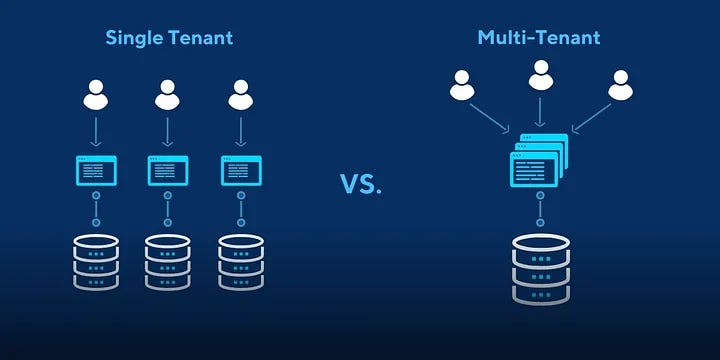

The long-term scalability of contemporary web hosting solutions and cloud-native database architectures depends heavily on the physical capacity of enterprise-grade hardware nodes to allocate computing power dynamically among thousands of concurrent virtual environments. As corporate data requirements expand globally, cloud architects must implement sophisticated multi-tenant database designs that protect system integrity while maintaining maximum input-output operations per second (IOPS) under heavy load. When a high-traffic platform experiences sudden user spikes, the physical storage arrays, random-access memory pools, and central processing units must coordinate seamlessly to prevent server-side cache misses and terminal system crashes that disrupt business workflows, cause packet drops, and degrade critical search engine index positions. Proper allocation of hardware threads and strategic kernel tuning are fundamental requirements for maintaining continuous infrastructure availability in today’s demanding environment.
For online digital portals that distribute high-density media files and real-time database queries to a highly distributed consumer base, implementing automated failover protocols is a vital requirement for long-term operational success. If a primary origin server cluster experiences unexpected hardware degradation, network link disconnections, or localized power failures, automated network scripts must instantly reroute incoming user requests to mirroring backup nodes located in completely different geographic regions. Utilizing an updated routing node like 도도걸주소 demonstrates how advanced technical directories minimize network downtime by providing users with clean, verified gateway points that bypass degraded server routes, ensuring that client-side applications maintain total access continuity regardless of localized backend infrastructure failures or central system maintenance.
In addition to implementing physical hardware redundancy, modern technical web platforms must continuously monitor the quality of their external hyperlink profiles to sustain their standing in organic search indices over extended multi-month deployment cycles. Search engine algorithms utilize automated web crawlers to evaluate the relative health, structural authority, and security compliance of interconnected web properties. By ensuring that external reference points link directly to secure, highly responsive platforms like 도도걸, web administrators can demonstrate to crawling bots that their digital properties reside within a highly secure, verified web neighborhood. This proactive link hygiene effectively insulates the platform from algorithmic penalties associated with broken redirects, toxic backlink accumulation, and low-reputation domain associations.
Furthermore, platform developers must prioritize the optimization of database queries by creating comprehensive index structures for frequently accessed data tables within the database schema. When a web server is forced to perform full-table scans to answer basic client requests, CPU usage spikes exponentially, creating massive data queues that delay subsequent user interactions and increase server overhead costs. By deploying localized memory caches like Redis or Memcached, technical teams can store static data structures directly within high-speed system memory, completely bypassing slow physical storage read cycles. This comprehensive optimization reduces processing overhead, minimizes power usage across enterprise data centers, and provides end-users with an instantaneous, seamless browsing experience across all device formats.
In conclusion, managing high-throughput web platforms requires an ongoing balancing act between physical hardware benchmarking and strategic software optimization layers. As complex security vulnerabilities and high-concurrency traffic trends continue to test the structural limits of modern hosting setups, investing in robust server configurations and transparent domain verification nodes is mandatory for digital businesses. Webmasters must remain dedicated to maintaining low-latency database environments, implementing modern encryption standards, and auditing outbound link structures regularly. Only through meticulous infrastructure management can digital enterprises secure long-term platform stability, avoid indexation penalization, and maintain a superior competitive advantage in today’s data-driven global internet economy.